


AGS Movers Beijing
 Manager: Theresa Xie
 +86 135 2226 1624
 Room 1705-2, Tower A , No. A1 Shuguangxili, Chaoyang District, Beijing, China
Beijing
Beijing
100028
Room 1705-2, Tower A , No. A1 Shuguangxili, Chaoyang District, Beijing, China
Beijing
Beijing
100028
Languages Spoken


AGS MOVERS BEIJING: EXPERT REMOVALS IN TIANJIN, SHIJIAZHUANG & MORE
Looking for a trusted moving company in China, serving major cities like Beijing, Gansu, Hebei, Heilongjiang, Jilin, Liaoning, Inner Mongolia, Ningxia, Shandong, Shanxi, Tianjin, Xinjiang, Hebei. AGS Movers Beijing is your dedicated partner for international removals, providing tailored moving and storage solutions for individuals and businesses nationwide. With us, you can count on a smooth, professional move, within China or anywhere in the world.
Domestic & International Removals Solutions
AGS International Movers offers excellence to each of its clients.

International Moves

Domestic Moves

Office Moves

Secure Storage

Vehicle Transfer




Established in 2007 , AGS Movers Beijing has 19 years’ experience in the moving industry.
Whether you’re planning a local move or an international relocation, AGS Beijing, a proud branch of the AGS Group, is the professional moving company you can trust. As part of a global network with more than 140 locations worldwide, AGS Movers combines vast experience with efficient moving processes to deliver a seamless relocation experience.
At AGS Movers Beijing, we offer unmatched professionalism, world-class quality standards, and expertise in a wide range of services, including international removals, office moves, groupage, vehicle transport, fine art shipping, pet transport, secure storage facilities, and other moving services.
While our most popular destinations include France, Belgium, UK, Germany, Switzerland, USA, Canada, and South Africa, we have the capability to move you anywhere in the world!
Moving to cosmopolitan Beijing, Gansu, Hebei, Heilongjiang, Jilin, Liaoning, Inner Mongolia, Ningxia, Shandong, Shanxi, Tianjin, Xinjiang, or Hebei?
AGS Movers is here to ensure a stress-free move to any of these popular destinations.
AGS Beijing Fast Facts
AGS Movers Beijing efficiently carries out around 100+ local and international moves annually, assisted by their 4 trucks and robust warehouses measuring 1000m2.
-
Landmarks
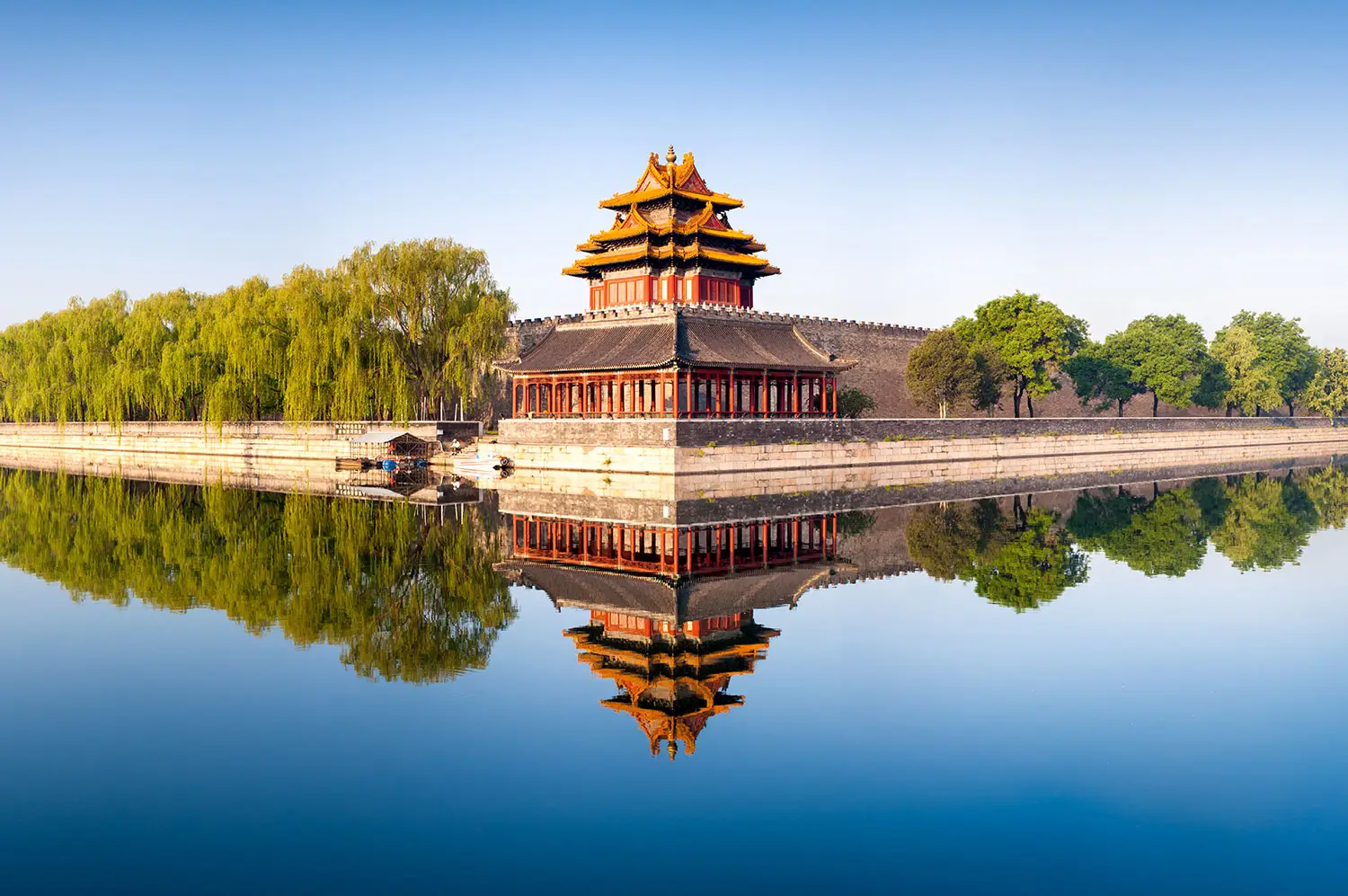
The Forbidden City: The former Chinese imperial palace is a sprawling complex of ornate halls and courtyards, representing the pinnacle of traditional Chinese architecture and imperial power.
The Great Wall of China (nearby sections): An awe-inspiring ancient fortification, winding its way across the mountains, symbolising China’s strength and historical significance.
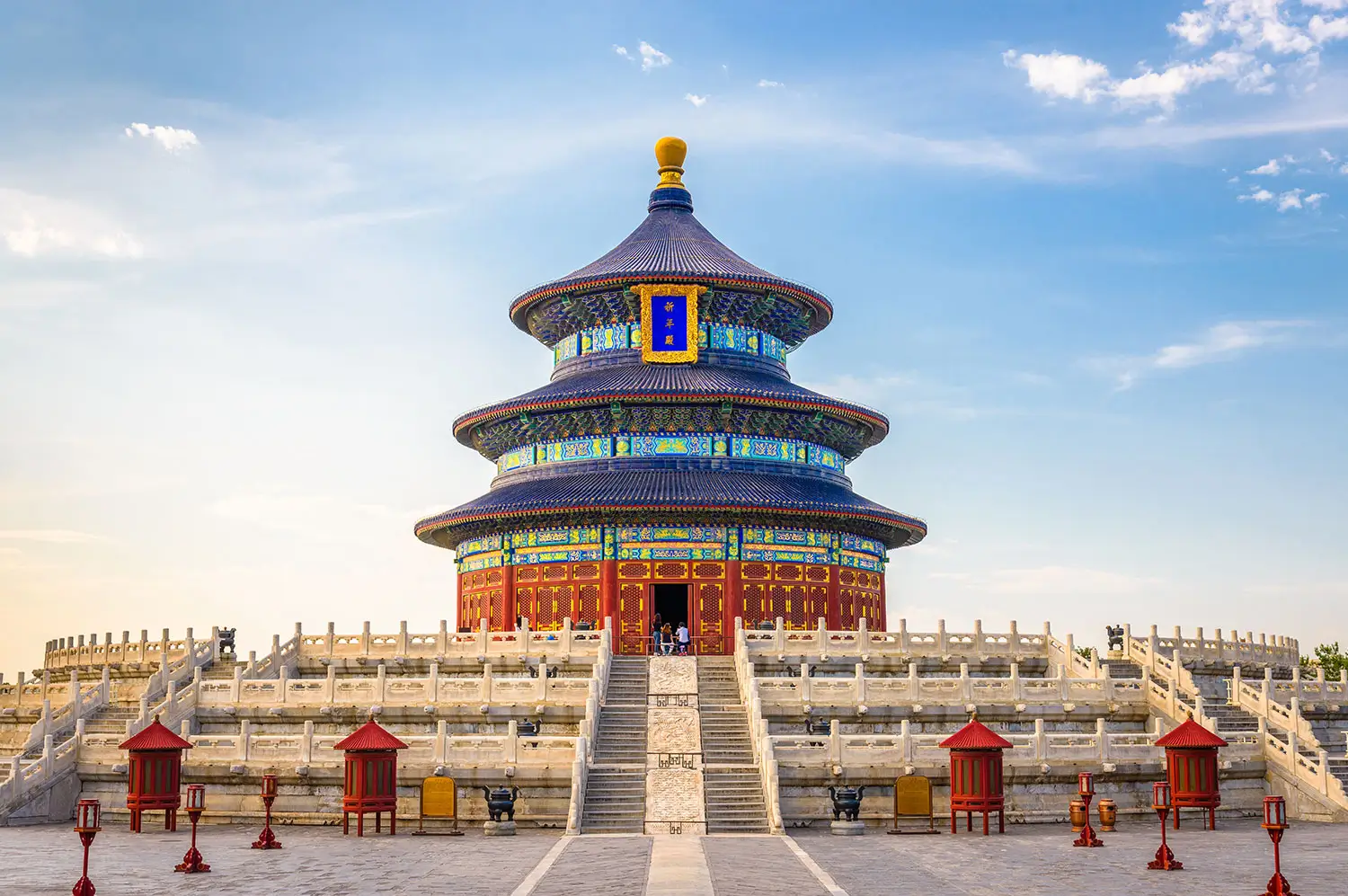
Temple of Heaven: An imperial complex of religious buildings, showcasing intricate designs and serving as a serene space for traditional ceremonies and prayers for good harvest.
Tiananmen Square: A large public square in the city centre, holding immense historical and political importance, surrounded by significant buildings and monuments.
-
Education
Peking University: One of China’s most prestigious institutions, renowned for its extensive academic programs, research excellence, and significant contributions to various fields.
Tsinghua University: A leading global university, particularly strong in engineering and technology, fostering innovation and cultivating future leaders in science and technology.
Renmin University of China: A comprehensive university with a focus on humanities and social sciences, known for its academic rigor and influential research output.
Beijing Normal University: A key institution for teacher education, it also excels in various disciplines, contributing significantly to educational research and development.
-
Transportation
Beijing Subway: An extensive and efficient underground rail network, providing convenient and affordable transportation across the city, easing traffic congestion.
Beijing Capital International Airport: A major international gateway, connecting Beijing to cities worldwide, facilitating global travel and trade for millions of passengers annually.
High-Speed Rail: Beijing is a central hub for China’s high-speed rail network, enabling rapid travel to other major cities, that boosts economic integration.
Public Buses: A comprehensive bus network complements the subway, offering widespread access throughout Beijing, with various routes catering to different areas.
-
Climate
Summer: Hot and humid (25–35°C / 77–95°F).
Winter: Cold and dry ( -5–5°C / 23–41°F).
Rainfall: Beijing has a monsoon-influenced, humid continental climate with hot, humid summers and cold, dry winters.
-
Landmarks
The Five Great Avenues: A historic district showcasing European-style architecture, reflecting Tianjin’s colonial past and offering a glimpse into its unique cultural blend.
Tianjin Eye: A giant Ferris wheel spanning the Hai River, providing panoramic views of the city skyline and becoming a prominent modern landmark.
Ancient Culture Street: A pedestrian street lined with traditional Chinese architecture, featuring local crafts, snacks, and cultural performances, attracting tourists and locals.
Porcelain House: A unique museum adorned with countless porcelain pieces, creating intricate mosaics and sculptures, showcasing artistic creativity and craftsmanship.
-
Education
Nankai University: A prestigious university with a strong emphasis on research and academic excellence, particularly renowned for its programs in economics and history.
Tianjin University: One of the oldest universities in China, specializing in engineering and technology, contributing significantly to scientific advancements and innovation.
Tianjin Normal University: A comprehensive university offering a wide range of disciplines, playing a crucial role in teacher education and regional development.
Civil Aviation University of China: A specialized institution focused on aviation-related fields, training professionals for the aviation industry and contributing to air transport research.
-
Transportation
Tianjin Binhai International Airport: An important aviation hub, connecting Tianjin to domestic and international destinations, facilitating trade and travel in the region.
Tianjin Port: A major port city, crucial for international trade, shipping, and driving economic growth that connecting Tianjin to global markets.
Tianjin Metro: An expanding subway system, providing efficient transportation within the city, reducing traffic congestion and improving urban mobility.
Intercity Rail: Tianjin is well-connected to other cities by high-speed and regular rail lines, enabling convenient travel and regional integration.
-
Climate
Summer: Hot and humid (24–32°C / 75–90°F).
Winter: Cold and dry (-4–4°C / 25–39°F).
Rainfall: Tianjin experiences a monsoon-influenced, humid continental climate, with hot, humid summers and cold, dry winters.
-
Landmarks
Zhao Zhou Bridge: An ancient stone arch bridge, renowned for its architectural ingenuity and historical significance as one of the oldest standing bridges in China.
Hebei Provincial Museum: Showcases the rich history and cultural heritage of the Hebei Province, as it features archaeological finds, artwork, and historical artefacts.
Longxing Temple: A historic Buddhist temple complex, known for its ancient structures, intricate sculptures, and serene atmosphere, attracting worshippers and visitors.
Cangyan Mountain: A scenic mountain area, featuring unique rock formations, temples built into cliffs, and panoramic views, offering opportunities for hiking and sightseeing.
-
Education
Hebei Normal University: A key institution for teacher education and various academic disciplines, contributing to the development of education in the Hebei Province.
Hebei University of Science and Technology: A comprehensive university with a focus on engineering and technology, supporting industrial development and technological innovation.
Shijiazhuang Tiedao University: Specializing in railway engineering and transportation-related fields, the university trains professionals for the railway industry and transportation infrastructure.
Hebei Medical University: A leading medical school in the region, dedicated to medical education, research, and healthcare services, contributing to public health.
-
Transportation
Shijiazhuang Zhengding International Airport: Facilitating air travel to domestic and some international destinations, the airport supports business and tourism in the Hebei Province.
Shijiazhuang Railway Station: A major railway hub, connecting the city to other parts of China through high-speed and regular train services, enabling efficient travel.
City Bus Network: A public bus system provides transportation within Shijiazhuang, serving various districts and residential areas, offering an affordable travel option.
Metro System: Shijiazhuang has a developing metro system, enhancing urban mobility and easing traffic congestion in the city, providing a modern transport solution.
-
Climate
Summer: Hot and humid (24–33°C / 75–91°F).
Winter: Cold and dry (-3–5°C / 27–41°F).
Rainfall: Shijiazhuang has a monsoon-influenced, humid continental climate, characterized by hot, humid summers and cold, dry winters.
-
Landmarks
The Zhili Governor’s Office: A well-preserved historical complex, once the administrative centre of the Zhili Province, showcasing traditional Chinese architecture and political history.
Ancient Lotus Pond: A scenic park featuring a large lotus pond, surrounded by historical pavilions and gardens, offering a peaceful retreat and cultural experience.
Western Qing Tombs: An imperial mausoleum complex, housing the tombs of several Qing Dynasty emperors and empresses, reflecting imperial grandeur and historical significance.
Baiyangdian Lake: The largest freshwater lake in the North China Plain, known for its scenic beauty, wetlands, and traditional fishing villages, attracting tourists and nature enthusiasts.
-
Education
Hebei University: A comprehensive university offering a wide range of academic programs, contributing to higher education and research in the Hebei Province.
North China Electric Power University: A specialized university focusing on energy and power-related fields, training professionals for the energy industry and technological advancements.
Hebei Agricultural University: Dedicated to agricultural sciences and related disciplines, the university contributes to agricultural research, education, and rural development in the region.
Baoding University: A local university providing various undergraduate programs, serving the educational needs of the city and surrounding areas.
-
Transportation
Baoding Railway Station: The station connects Baoding to other cities in China through the national rail network, facilitating passenger and freight transport, and it supports regional connectivity.
Long-Distance Bus Stations: Several bus stations provide intercity bus services, linking Baoding to towns and cities within and outside the Hebei Province, offering flexible travel options.
Public Bus System: A network of buses operates within Baoding, serving urban and suburban areas, providing affordable transportation for residents and commuters.
Taxi Services: Taxis are available in Baoding, offering convenient and direct transportation within the city, catering to individual travel needs.
-
Climate
Summer: Hot and humid (24–33°C / 75–91°F).
Winter: Cold and dry (-4–4°C / 25–39°F).
Rainfall: Baoding experiences a monsoon-influenced, humid continental climate, with hot, humid summers and cold, dry winters.
-
Landmarks
Tangshan Earthquake Memorial Wall: Commemorating the devastating 1976 earthquake, the wall serves as a solemn reminder of the city’s resilience and reconstruction efforts.
Nanhu Park: A large urban park featuring lakes, gardens, and recreational areas, that provides a green space for residents and visitors to relax and enjoy nature.
Kaiping Coal Mine Site: A historical industrial site, showcasing China’s early coal mining industry. It offers insights into its industrial heritage and technological development.
Qing Dong陵 (Eastern Qing Tombs – nearby): An imperial burial complex, housing the tombs of Qing Dynasty emperors and empresses, known for its architectural grandeur and historical significance.
-
Education
North China University of Technology (Tangshan Campus): A branch campus focusing on technology and engineering, contributing to higher education and research in the Tangshan area.
Hebei United University: A comprehensive university offering various academic disciplines, playing a significant role in education and cultural development in the region.
Tangshan Normal University: Specializing in teacher education and related fields, the university trains educators for primary and secondary schools, supporting local educational needs.
Tangshan Vocational and Technical College: Providing vocational training and technical education, the college equips students with practical skills for various industries and employment opportunities.
-
Transportation
Tangshan Sannühe Airport: Facilitating air transportation to domestic destinations, the airport supports business travel and regional connectivity in the Tangshan area.
Tangshan Railway Station: It connects the city to the national rail network, enabling passenger and freight transport, and contributing to Tangshan’s economic activities.
Public Bus Network: A comprehensive bus system serves Tangshan, providing transportation within the city and surrounding areas, catering to residents’ daily travel needs.
Expressways: Tangshan is connected to major cities by expressways, facilitating efficient road transportation and regional economic integration.
-
Climate
Summer: Hot and humid (24–31°C / 75–88°F).
Winter: Cold and dry (-4–3°C / 25–37°F).
Rainfall: Tangshan has a monsoon-influenced, humid continental climate, with hot, humid summers and cold, dry winters.
-
Landmarks
Yanjiao Economic and Technological Development Zone: A modern zone showcasing rapid economic growth, with contemporary architecture, industrial parks, and technological advancements.
Langfang Development Zone Exhibition Centre: Providing insights into the city’s development plans, economic achievements, and future projects, the centre highlights its strategic importance in the region.
Nature Parks and Green Spaces: Langfang features several parks and green areas, offering residents and visitors places for recreation, relaxation, and enjoying natural environments.
Cultural Squares and Public Spaces: These areas serve as hubs for community activities, events, and gatherings, reflecting the city’s modern urban planning and social life.
-
Education
Langfang Teachers University: Focusing on teacher education and various academic disciplines, the university contributes to the development of education in Langfang and surrounding areas.
Hebei University of Technology – Langfang Campus: A branch campus specializing in engineering and technology, providing higher education opportunities in the city.
Vocational and Technical Colleges: Several institutions offer vocational training and technical education, preparing students for specific industries and employment opportunities.
Private Language and Training Centres: These centres cater to the growing demand for language skills and professional training, serving both residents and businesses.
-
Transportation
Langfang Railway Station: It connects Langfang to other cities via the national rail network, facilitating passenger and freight transport, and supporting economic and social exchange.
Expressways: Langfang is well-connected by expressways, enabling efficient road transportation to Beijing, Tianjin, and other major cities in the region.
Public Bus System: A local bus network provides transportation within Langfang, serving urban districts and connecting residential areas with commercial and industrial zones.
Taxi Services: Taxis are readily available in Langfang, offering convenient and direct transportation within the city and to nearby destinations.
-
Climate
Summer: Hot and humid (24–32°C / 75–90°F).
Winter: Cold and dry (-4–4°C / 25–39°F).
Rainfall: Langfang experiences a monsoon-influenced, humid continental climate, with hot, humid summers and cold, dry winters.
-
Landmarks
Mountain Resort: A UNESCO World Heritage Site, this imperial summer resort is renowned for its beautiful gardens, lakes, and palaces, showcasing Qing Dynasty architecture and landscape design.
Eight Outer Temples: A collection of temples built in various architectural styles, representing the diverse cultures of the Qing Empire and offering historical and cultural insights.
Puning Temple: A significant Buddhist temple complex, known for its massive wooden statue of the Bodhisattva Avalokiteśvara and its blend of Han Chinese and Tibetan architectural elements.
Hammer Rock: A unique geological formation resembling a hammer, surrounded by scenic mountains and forests, attracting tourists and nature enthusiasts for its natural beauty.
-
Education
Chengde Medical College: A medical school providing higher education and training in medical sciences, contributing to healthcare services and medical research in the region.
Chengde Petroleum College: Specializing in petroleum-related fields, the college trains professionals for the oil and gas industry and supports local economic development.
Chengde Normal College: Focusing on teacher education and various academic disciplines, the college prepares educators for primary and secondary schools in the area.
Hebei Minzu Normal University: A university with a focus on ethnic minority education and cultural studies, promoting diversity and cultural exchange in the region.
-
Transportation
Chengde Railway Station: It connects Chengde to other cities in China through the national rail network, facilitating passenger and freight transport, and supporting tourism and trade.
Long-Distance Bus Stations: Several bus stations offer intercity bus services, linking Chengde to towns and cities within and outside the Hebei Province, providing flexible travel options.
Public Bus System: A network of buses operates within Chengde, serving urban and suburban areas, offering affordable transportation for residents and visitors.
Taxi Services: Taxis are available in Chengde, providing convenient and direct transportation within the city and to tourist attractions in the surrounding areas.
-
Climate
Summer: Warm and humid (20–28°C / 68–82°F).
Winter: Cold and dry (-12–-4°C / 10–25°F).
Rainfall: Chengde has a monsoon-influenced, humid continental climate, with warm, humid summers and cold, dry winters.
Frequently Asked Questions
Our moving services cater to several major cities across China, including Beijing, Shijiazhuang, Baoding, Tangshan, Langfang, and Chengde. Below are some frequently asked questions that can help you plan your move efficiently.
How far in advance should I book my move to Beijing?
Do you offer packing and unpacking moving services in Beijing?
Do you provide storage solutions in Beijing?
Can you move large and fragile objects, such as pianos or antiques?
How can I get my house ready for the moving company?
Are there any items that cannot be moved?
How do you ensure the safety of my belongings during the move?
Can you assist with the setup of my new home in Beijing?
How do you handle parking and access issues?
What happens if my belongings are damaged during the move?
At AGS Movers, we prioritise customer satisfaction and ensure that every aspect of your move, from departure to arrival, meets the highest standards of quality and professionalism.
5 steps to move abroad

First Contact

Home Inspection & Quotation

Packing & Goods removal

Transport

Unpacking & House arrangement
A glance at AGS Movers Beijing

Certification and Affiliation
For over 50 years, the AGS Group has set strict quality procedures for its international network, which are upheld by AGS Beijing. These practices are based on general quality standards as well as those established by the most prestigious certification bodies in the removals industry.
These consistent quality standards ensure that whether you are moving to or from China, the AGS Group is committed to providing you with the best removal and storage services available.

Our Clients
Many corporates, diplomats and organizations entrust their expatriates’ moves to AGS Movers Beijing. We make sure that all our services are tailor-made to the unique requirements of our clientele. Our clients include Total, EDF, Société Générale, LaFarge and Schlumberger.
Latest News in Beijing
Currently there are no related blog posts available for AGS Movers Beijing. But check out all our latest news by clicking on the link below.
See All News